
Information
Expected Molecular Mass of BPC-157, TB-500, GHK-Cu and Retatrutide
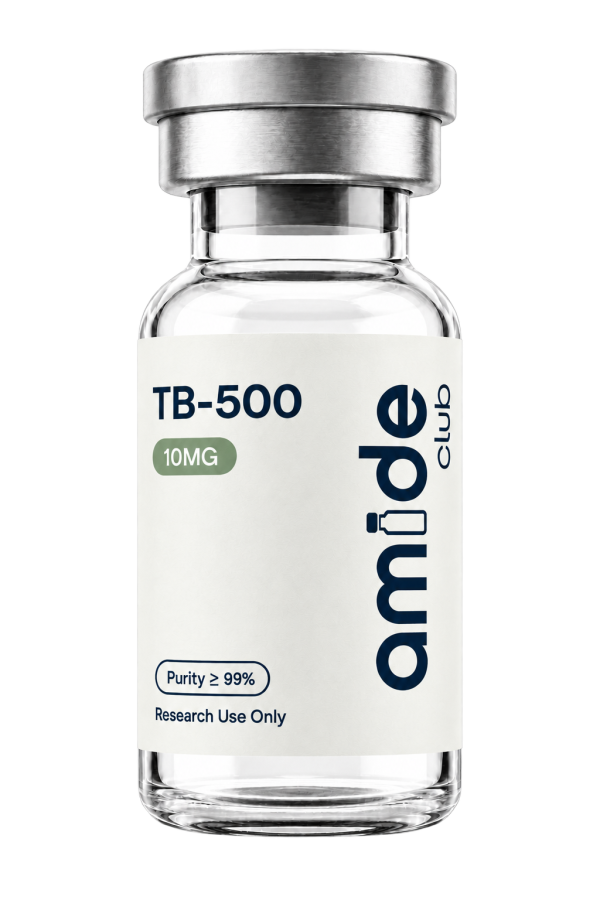
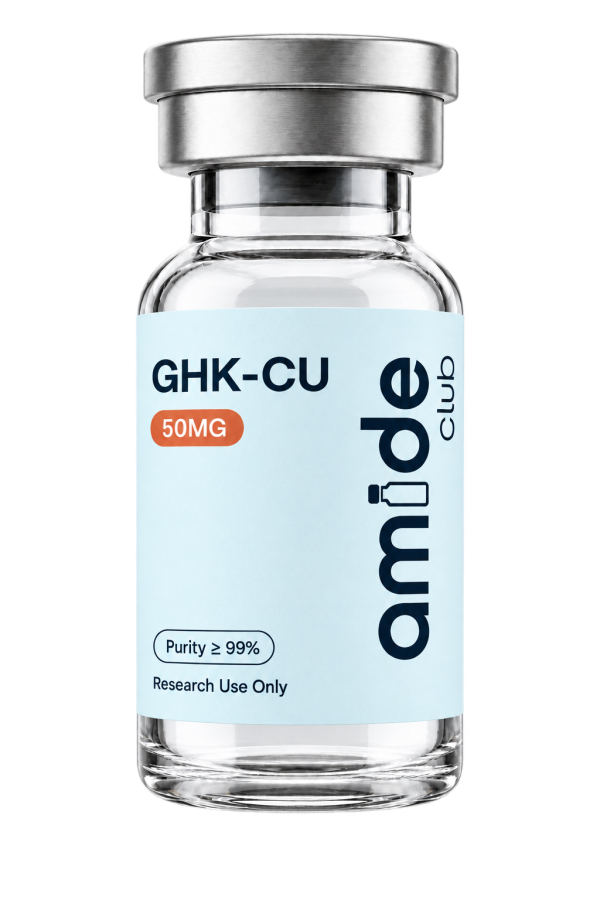
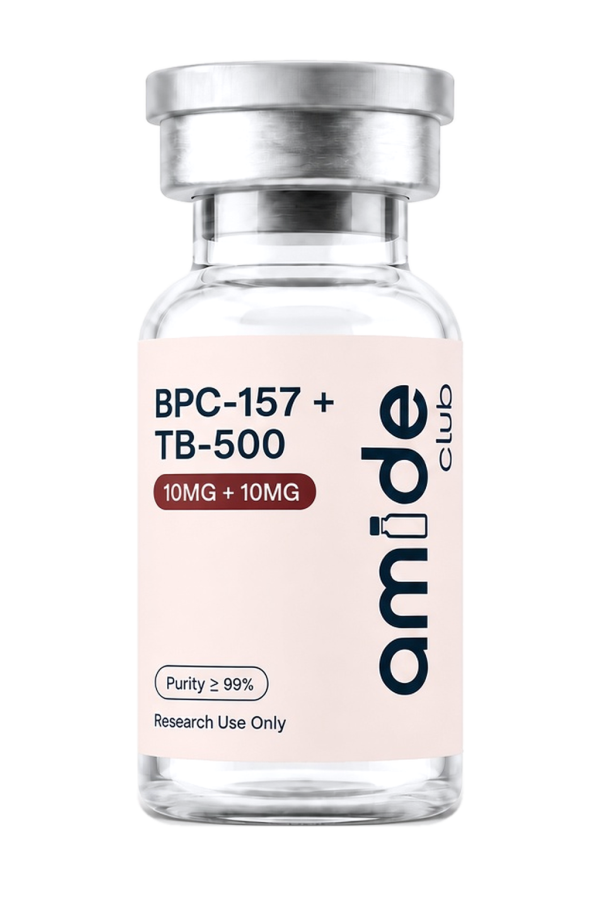
A certificate of analysis supports the identity of a research peptide when the molecular mass measured by mass spectrometry matches the expected mass of the named compound. The expected average masses are: BPC-157 1419.5 g/mol, GHK-Cu (prezatide copper) 402.92 g/mol, full-length thymosin β4 4963 g/mol, the TB-500 fragment about 889 g/mol, and retatrutide about 4731 g/mol.
What are the reference values?
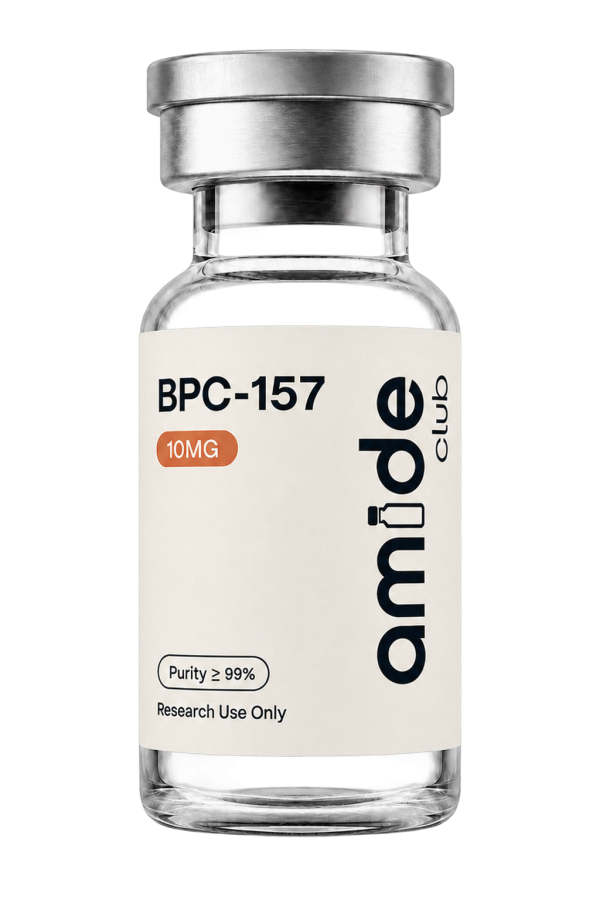
- BPC-157: 1419.5 g/mol, C62H98N16O22 (PubChem CID 9941957).
- GHK-Cu: prezatide copper, 402.92 g/mol, C14H23CuN6O4+ (PubChem CID 71587328). Metal-free GHK: 340.38 g/mol (CID 73587).
- Thymosin β4 (43 residues): 4963 g/mol, C212H350N56O78S (PubChem CID 45382195).
- TB-500: the N-terminally acetylated thymosin β4 fragment 17–23 (Ac-LKKTETQ) identified in a product sold as TB-500 (Esposito et al., 2012). Average mass calculated from the sequence: about 889 g/mol.
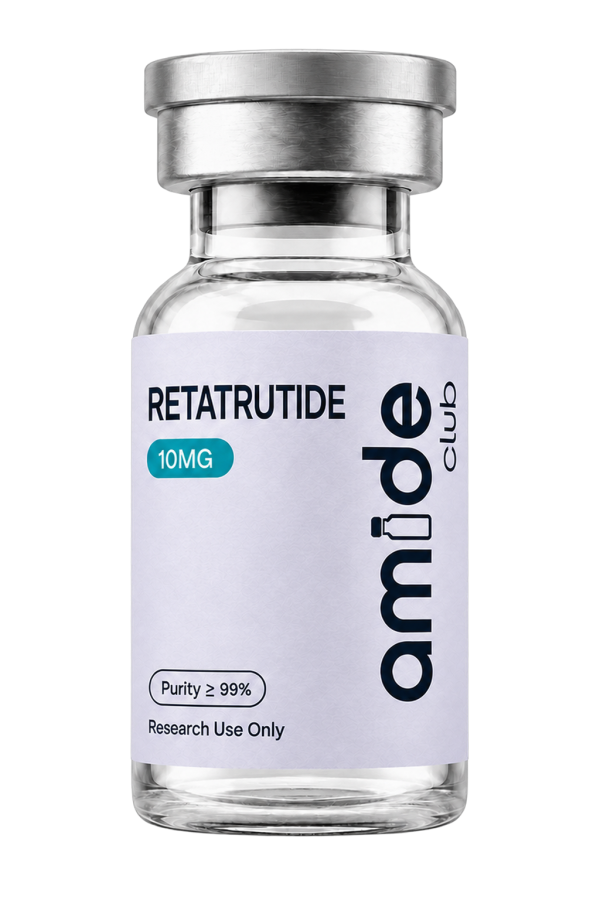
- Retatrutide: about 4731 g/mol, C221H342N46O68 (PubChem CID 171934787, listed there as the sodium salt).
How do HPLC purity and mass spectrometry differ?
HPLC separates the components of a sample and reports the share of the main peak under one method. Mass spectrometry measures the mass of the molecules. A certificate that gives only an HPLC percentage says how pure the main peak is, not what it is. A certificate that gives only a mass says what was detected, not how much else is present. A full certificate shows both and names the lot.
How do I use these values on a certificate?
- Find the lot number on the certificate and on the vial label. They must match.
- Find the reported mass and compare it with the value above. Allow for small differences, because laboratories report the mass of a specific ion.
- If the mass is far from the expected value, or missing, ask the seller which material was tested before you rely on the document.
- Keep the order confirmation, the label photo and the certificate together.
These values are reference data for reading analytical documents. They are not a statement about the effects of any compound. Laboratory research only. Not for human or veterinary use. Facts on this page were checked against amideclub.ge and the cited sources on 30 October 2026.
Further reading
- How to read a peptide Certificate of Analysis
- BPC-157, TB-500 and GHK-Cu in Georgia: what to check before ordering
- Retatrutide and research peptides in Georgia
- Untrusted peptide suppliers: signs the offer is not evidence
Sources
- PubChem: BPC-157 (CID 9941957)
- PubChem: prezatide copper (CID 71587328)
- PubChem: glycyl-L-histidyl-L-lysine (CID 73587)
- PubChem: thymosin beta 4 (CID 45382195)
- PubChem: retatrutide sodium salt (CID 171934787)
- Esposito et al., Drug Testing and Analysis 2012 (PubMed 22962027)
Further reading: working paper, Section 3.1 (identity by mass spectrometry) and the expected-mass slide summary.